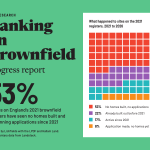

New research produced by Marrons in collaboration with the LPDF shows that grey belt policy is delivering strong results, with almost 80% of major residential appeals succeeding.
Two years on from the introduction of the Government’s grey belt policy, new research provides a detailed insight into how the policy is being interpreted and applied in practice.
The report, Green Light for Grey Belt: Golden Opportunity, New Rules and Still a Game Changer, analyses 355 grey belt appeals between December 2024 and August 2026, providing one of the most comprehensive pictures to date of the emerging grey belt planning landscape.
The findings are significant:
Of the 38 major residential appeals examined, 30 were allowed — representing a 79% success rate. At the same time, around 600 Green Belt planning applications are currently awaiting determination, highlighting the scale of development interest in land that could potentially benefit from the new policy framework.
For the LPDF, the research provides important evidence about the role grey belt can play in supporting housing delivery and unlocking land for development.
A clearer picture of grey belt in practice.
The report comes at an important point in the evolution of the Government’s planning reforms. While the concept of grey belt has attracted considerable attention since its introduction, the growing body of appeal decisions is now providing a clearer indication of how the policy is being applied on the ground.
The analysis offers valuable insight for landowners, housebuilders, land promoters, developers, planning consultants and local authorities seeking to understand what the emerging evidence means for their own sites and decision-making.
The high proportion of successful major residential appeals is particularly noteworthy and demonstrates the potential for grey belt policy to facilitate development where the relevant planning and policy requirements can be met.
Unlocking land and delivering homes.
With housing delivery remaining a critical national priority, the ability to bring forward suitable land will continue to be central to the success of the planning system.
The research suggests that grey belt remains a potentially important mechanism for unlocking land within the Green Belt while ensuring that development is considered through the planning process.
As more applications and appeals progress, the evidence base will continue to grow, providing further clarity for those involved in bringing forward grey belt opportunities. The latest findings reinforce the view that grey belt has the potential to be a game changer for housing delivery, while also highlighting the importance of understanding the evolving policy and appeal landscape.
Read the full research.
LPDF is pleased to have collaborated with Marrons on this important piece of research and to contribute to the ongoing debate about the future of Green Belt and grey belt development. Click here...